✕
Ready to grow your bussiness?
Let's schedule a call to discuss your needs

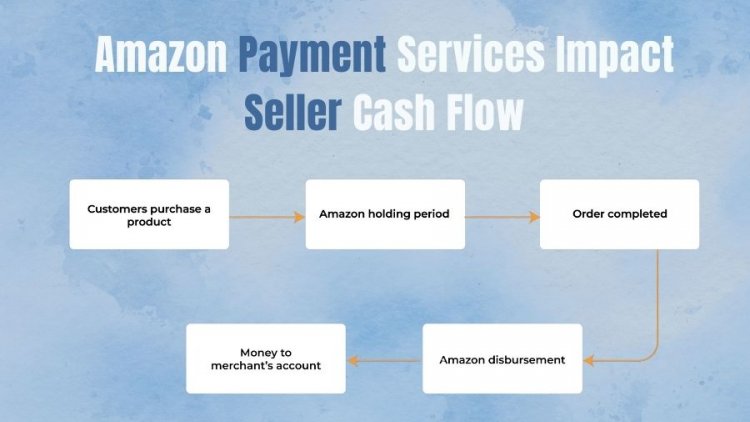
Cash flow is the backbone of any successful eCommerce business, and for Amazon sellers, understanding amazon payment services is critical to maintaining financial stability. While Amazon provides a secure and efficient payment ecosystem, its settlement cycles, fee structure, and reserve policies can significantly impact seller cash flow. This blog explains how Amazon payment services work, how they affect your finances, and how eCommerce management services can help sellers manage cash flow more effectively.
Amazon Payment Services manage the entire transaction process between customers and sellers. When a buyer places an order, Amazon collects the payment, verifies the transaction, deducts applicable fees and releases the remaining balance to the seller during scheduled settlement cycles.
Unlike instant payment platforms, Amazon follows a deferred payout model, typically settling seller accounts every 14 days. This delay is designed to account for returns, refunds and buyer protection, but it can create cash flow challenges for sellers—especially those scaling rapidly.
One of the biggest ways amazon payment services impact cash flow is through settlement timing. The Sellers do not receive funds immediately after a sale. Instead, money is held until the settlement period ends and all deductions are applied.
This can lead to:
At, new sellers or high-volume businesses, this waiting period can strain operations if cash flow planning is not done correctly.
Amazon deducts several fees before releasing payments, which directly affects net cash inflow.
Key fees include:
Without proper tracking, these deductions can reduce expected payouts and disrupt financial planning. The Sellers often underestimate how these costs compound over time.
Returns and refunds play a major role in cash flow management. Amazon may deduct refunded amounts from current or future settlements, sometimes creating negative balances.
Additionally, Amazon may hold a reserve balance, especially for:
These reserves further delay access to funds, making it essential for sellers to maintain strong account health and low return rates.
This is where eCommerce account management services become invaluable. The professional account managers help sellers optimize payment cycles, monitor settlements and improve overall financial efficiency.
Key benefits include:
By outsourcing account management, sellers can focus on growth while experts handle the financial and operational complexities of Amazon.
When sellers understand and manage Amazon Payment Services effectively, they gain:
Combined with expert Amazon Account Management Services, sellers can avoid cash shortages, make data-driven decisions, and scale their business with confidence.
Amazon Payment Services play a crucial role in shaping seller cash flow. From delayed settlements and fee deductions to refunds and reserve balances, these factors can significantly impact daily operations and long-term growth. The Sellers who actively monitor payments and use of impact of novel web solution are better positioned to maintain healthy cash flow, improve profitability and succeed in the competitive Amazon marketplace.
Understanding the system is not optional—it’s essential for sustainable eCommerce success.
Get the right guidance with a dedicated strategist by your side — every step of the way.